Film in New Jersey
Film in NJ
Everything you need to film in the Garden State
New Jersey sits between two of the largest production markets in the country, and it offers something neither of them can: coastline, farmland, forests, historic downtowns and industrial waterfronts within a short drive of each other. Here is what a producer, department head or emerging filmmaker should know before filming here.
Why New Jersey
Every look, within two hours
A single production base can reach beaches and boardwalks, mountain trails, working farms, suburban neighborhoods, dense urban streets and warehouse districts in under two hours. Because New Jersey borders New York City and Philadelphia, casts, crew and vendors from both metro areas can work here without relocating, which keeps travel and lodging costs down.
Coastline & boardwalks
Beaches, piers and shore towns
Farmland & forests
Open fields, trails and back roads
Historic downtowns
Main streets and period architecture
Industrial waterfronts
Rail yards, piers and skyline views
Crew & workforce
Hire local, move fast
New Jersey has an experienced production workforce across camera, grip and electric, art, wardrobe, locations, transportation and post-production. Many crew members already work the New York metro market, so they are used to fast schedules and features, episodic television, commercials and branded content alike. Hiring locally is usually the fastest way to fill a department, and it keeps spending inside the state — a factor that matters when a production is applying for incentives.
- Book department heads early; experienced keys fill up first.
- Confirm union status and rates before locking a crew list.
- Ask local film offices for referrals to vetted vendors and crew.
Stages, vendors & post
The gear and space to film
The state supports soundstages, flex space and converted industrial buildings for interior work, alongside equipment rental houses, lighting and grip vendors, expendables suppliers, catering companies and vehicle providers. Post-production support ranges from editorial and color to sound mixing and finishing. Availability tightens during the busiest production months, so it is worth holding stage and equipment dates as soon as your schedule is firm.
State film incentive
Plan the tax credit in pre-production
New Jersey’s Film and Digital Media Tax Credit Program is run by the New Jersey Economic Development Authority (NJEDA) (opens in a new tab), and the New Jersey Motion Picture & Television Commission (opens in a new tab) helps productions with locations, permits and contacts across the state. The credit is transferable, so productions without New Jersey tax liability can sell it.
- 35%
- Base credit on qualified film production expenses, including wages statewide
- 30%
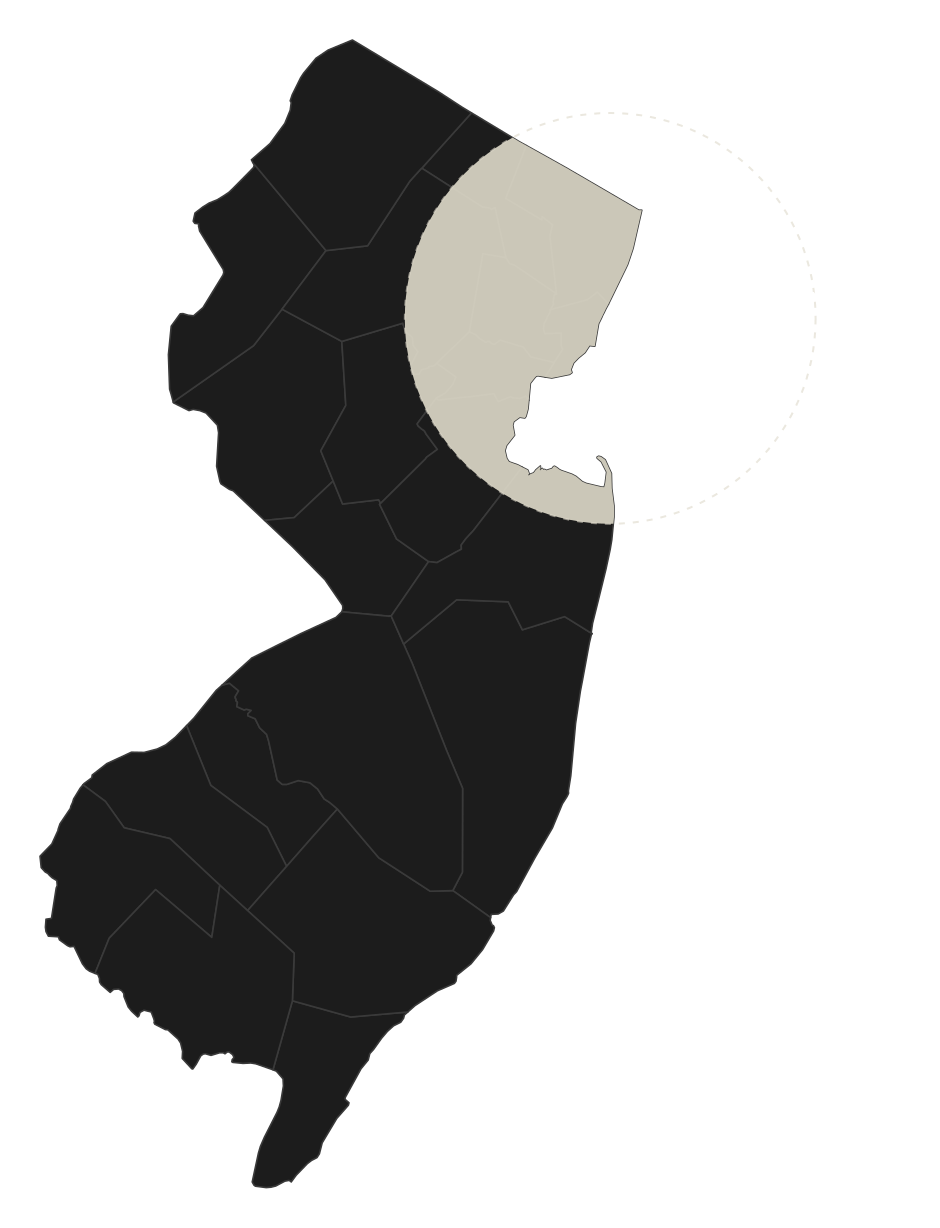
- On goods and services used within 30 miles of Columbus Circle, NYC
- Up to 5%
- In extra bonuses, such as the NJ Hiring Bonus, for approved plans
- $100M
- Set aside for film projects each state fiscal year, with no set cap per project
To qualify, a film generally needs to spend at least 60% of its production budget (excluding post) with New Jersey vendors, or more than $1 million in qualified New Jersey expenses. Studio partners can receive a higher 40% rate. NJEDA says approval typically takes two to three months after a complete application, so apply early.
Rates, bonuses and allocations change, so confirm current terms directly with NJEDA (opens in a new tab) before you budget, and have your production accountant or counsel review the application.
Permits & communities
Be a good guest
Filming on state-owned property is coordinated through the state film commission, while county and municipal film offices handle local permits, parking, street closures and notifications. Many towns have a designated film liaison who can connect you with police, fire, public works and business districts. Neighbor notification, realistic load-in times and clean, respectful locations go a long way toward keeping New Jersey towns open to future productions.
Getting started
Six steps to filming in New Jersey
Whether it’s your first New Jersey production or your tenth, the same steps keep filming on schedule and the state open for the next one.
Scout with a local eye
Build a short list of locations and confirm access, power and parking before committing.
Check incentives early
Review eligibility with NJEDA and apply early. Approval typically takes two to three months.
Contact film offices
Reach out to county and municipal liaisons for permits and local requirements.
Build a local crew
Hire department heads and vendors from the state wherever possible.
Hold your dates
Lock stages, equipment and lodging once the schedule is approved.
Wrap clean
Restore every location, settle up with local vendors and thank your host town so the door stays open for the next production.
How Film New Jersey can help
Planning to film? Talk to us.
Film New Jersey advocates for the state’s production industry, connects productions with local crew and communities, supports education and career pathways, and works to develop the infrastructure the industry depends on. If you are planning to film, hiring locally, or building a program that trains the next generation of crew, we want to hear about it.